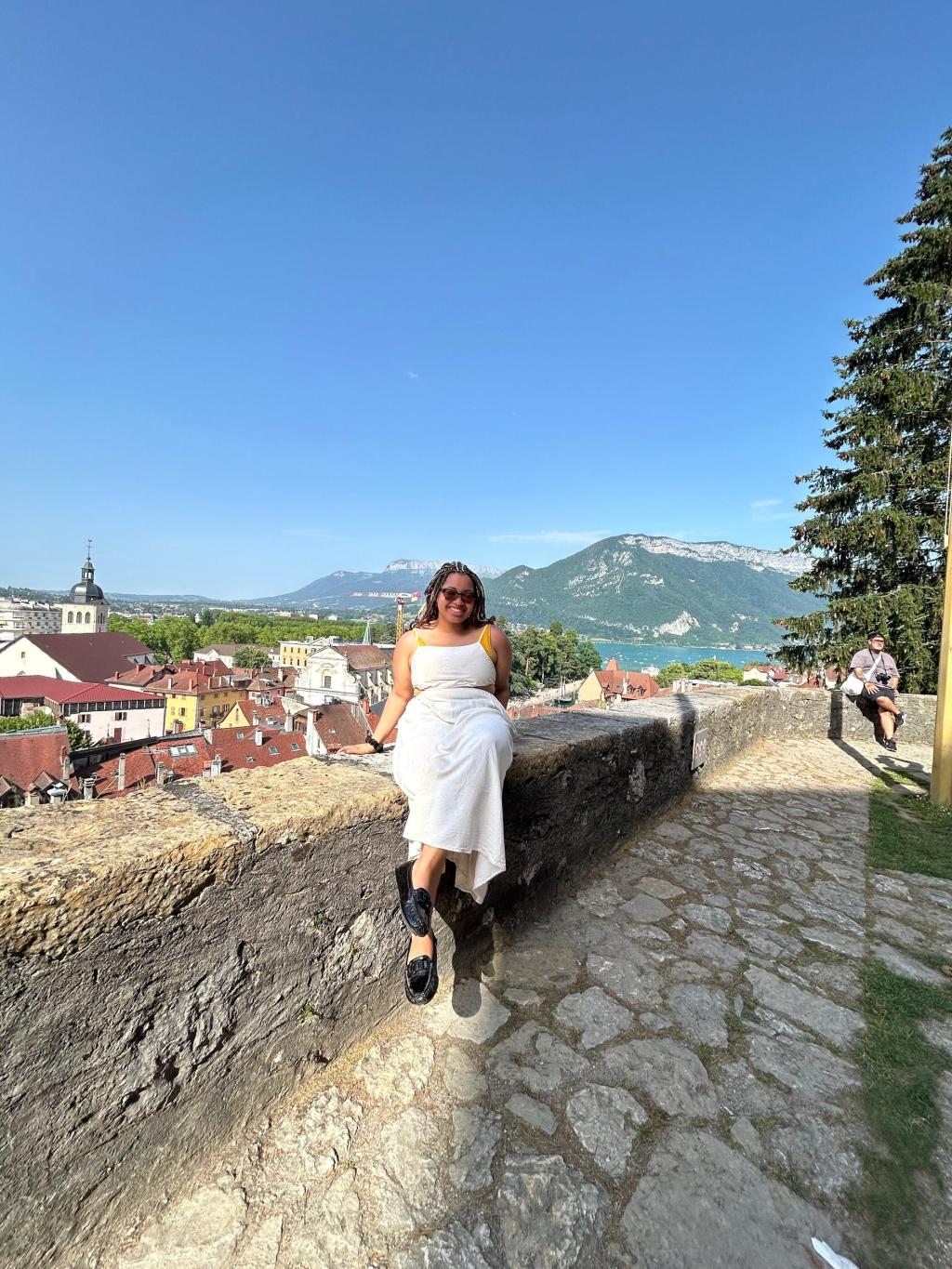
From a young age, I knew I wanted to be a doctor. I love biology and science, and I’ve always been resourceful and inventive, so my dream is not only to create things that help people, but also to see them working in practice. This summer, I had the opportunity to spend 2 months working at L’Hôpital Neurologique Pierre Werthemier, a large facility in the forested outskirts of Lyon, neighboring many hospitals in the University Claude Bernard chain. This placement felt so meaningful to me—it combined my interest in biomedical innovation with the chance to be close to patients and clinicians.
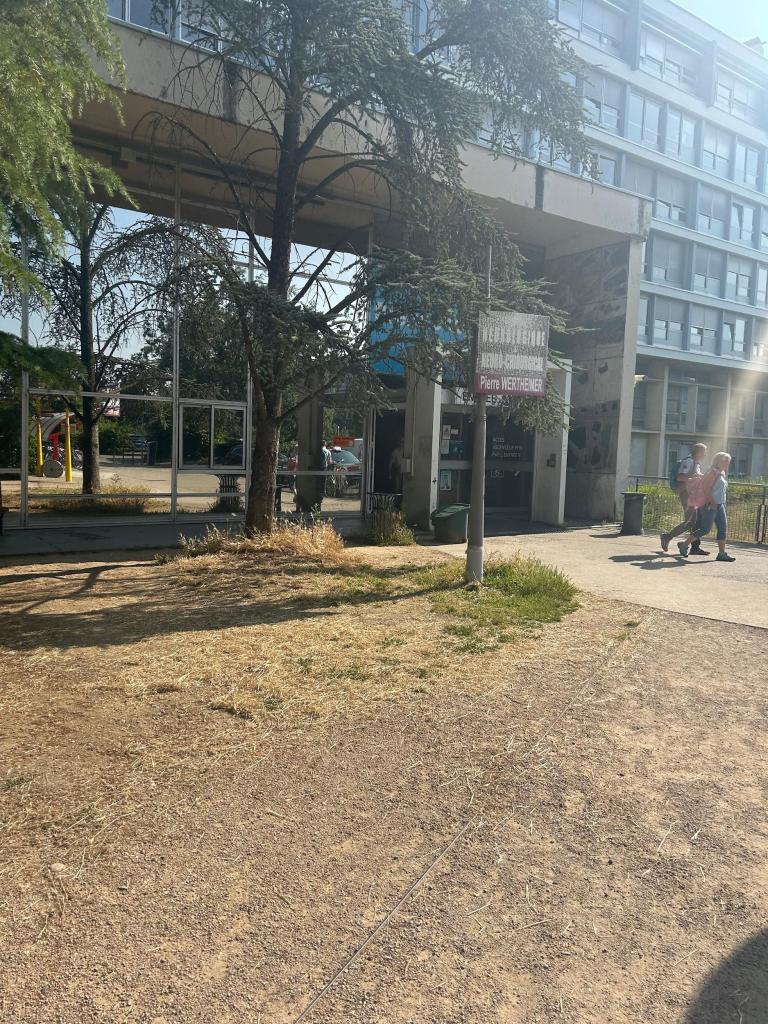
The neurological hospital, as I came to experience in the lab and the clinic, was a crossroads of many different disciplines and countries. Working in the Honnorat lab, a laboratory focusing the rare disease autoimmune encephalitis and often in the context of neuro-oncology, I was inside the second largest hub of research in the country for its’ field. My colleagues came from all levels of education – high schoolers shadowing us for one week (in France, this is called a stage), doctoral candidates, post-docs, clinical interns, and two other university students, like me. And we came from different fields, too. I study biological engineering, but my supervisor specialized in chemistry, and my peers had majored in neuropsychology, immunology, computer science, and much more.
I worked on the BETPSY project, where we identify biomarkers—proteins that can be easily extracted from a patients’ spinal fluid, blood, etc—that will help us categorize and treat their neurological syndrome. It’s easy for the days in the lab to become routine. Our workflow was simple: test samples to identify unusual antigen (as pathology varies patient-to-patient), isolate the protein for production and experimental use, then test thousands of samples, from the past and present, for all the known and new antigens. Once we find a match, which is rare, we double check by assaying the proteins. Since I only had two months, I focused on testing the thousands of samples, and making the process more efficient. But for a lab of such significance, serving patients from across the country, it is much smaller and simpler than what you could find in the USA. The lab equipment was traditional, and no-frills, despite some state-of-the-art technology deemed necessary or time-saving. Lab meetings were wide-ranging but were often reports with limited discussion. However, this often meant more collaboration with laboratories and companies across the country. When he had questions, our PI would work with his employees directly. And through all this, I saw a unique type of healthcare innovation: one that focused on humanity.

In the US, we are often taught that innovation means creating new medicines to treat more diseases, in more efficient, often expensive ways. We are taught that this comes at the cost of access and affordability. But in France, the health system prioritizes its reach to the nation’s people. All of them, including non-citizens. In my favorite days working here, I got to shadow and interview the clinical interns. One afternoon, for instance, we were giving a man in his 60s a check-up. He was hoping to get discharged, but unfortunately developed some problems with his gait and motor functions. Watching the intern was quite bizarre: he jerked and swung the patient’s leg around, testing all the muscles, tendons, and nerves. The patient, despite the awkwardness, was cracking jokes about the weird physical dynamic, and the intern was bantering right back. That kind of exchange, laughter in the middle of something tedious and heavy, showed that innovation is not just about what technology exists, but about how care is delivered: who gets included, how physicians relate to patients, and what values shape the system. This hospital would treat a native youth a mile away and an elderly Algerian expat in the same room, free of cost. Even transportation to and from the hospital is provided. I learned that in France, innovation is much more personal, cultural even. The hospital interns often worked a 9-5 and could get off a bit earlier on Fridays. All full-time employees of the lab got 7 weeks of vacation. Therapy is offered for free to the patients, and is somewhat accessible to the physicians. And the physicians I talked with, although just barely, said that they had enough time for life outside of the job. In the medical field, heartbreak is ordinary, and we take care of patients during the best and worst days of their lives. The Neuro-Oncology unit gives patients aggressive treatments and palliative care, on a mission to help some find remission, and others peace. Knowing that there is a support system for everyone in the network is vital. And I saw directly that it led to good terms between the doctors and the staff. During the rounds and tedious physical examinations, they exchanged both humor and compassion, crossing cultural and age boundaries.
They still deal with the same dilemmas as the US: understaffing and overcrowding is common, certain departments are underfunded, many doctors are burnt out, and leaving the public sector, and bureaucracy is a consistent challenge to efficiency. In the lab, I also noticed that some engineering processes took much longer than in the U.S, like waiting weeks for experimental results because there weren’t centralized core facilities or nearby labs to speed things along. The timescale for treatment could be longer because of this. The physician field is very exclusive and competitive, and some medical students feel desensitized after the educational process. But the new generation is engaged, challenging the old norms, and protesting ordinances that they don’t agree with. Much of the healthcare legislation is focused on equity rather than production and profit, and for better or worse, being a doctor is a less lucrative position. But the doctors still take their oath with responsibility and integrity.
As an American interloper with a thick accent, I was welcomed with open arms into the lab and hospital wing. At first it was a bit difficult to communicate, but people were eager with questions about my life and education in the US. Some even admitted they assumed all Americans were rich, but when I asked about their own lives, they opened up about their personal and political beliefs, eager to share their country and culture the way they saw it. I am grateful for the chance to learn all about the brain’s immune system and diagnostics of Autoimmune Encephalitis. And I learned that innovation in healthcare can also be social. It can thrive on spanning multiple educational disciplines, reaching the most people possible, and resulting in a wider and happier clientele.
This experience also made me think about the relationship between systemic healthcare design and individual patient care. I realized that when a system is structured around equity and accessibility, it changes how patients experience even the smallest interactions with their doctors. When people know transportation, therapy, or costs won’t block their treatment, the exam room feels different. It becomes more about trust, humor, and humanity. As I move forward, I want to carry that lesson with me. In my future work as a biological engineer and physician, I hope to build projects and methods that are accessible and affordable, especially in resource-poor areas. I will look out for the mental health of patients and peers, and I will spend time not only listening to what patients say, but also what they don’t. And I will always think about who my work is affecting personally and demographically, striving for a net positive impact on those around me. To mimic the French work-life balance, I take my responsibility seriously, but also with humor, lightness, and grace.

Biological engineering major, Tiffany Stephens ’27 worked at the Universite Claude Bernard Lyon 1, France, over the summer of 2025.
 MISTI Blogs