
The idea of a “European Summer,” especially in college, comes on a pedestal. Before I left for the Netherlands, my imagination—and my social media feed—was a carefully curated gallery of what my time was supposed to look like. There’s a script we all feel pressured to follow: backpack across fifteen countries, collect passport stamps like badges of honor, and tell crazy stories about sleeping on a park bench in Ibiza. You’re supposed to meet up with a constellation of friends against the backdrop of a different capital city each week. The unspoken goal is a collection of stories so epic that decades from now, your kids will look at you with wide eyes and say, “Wow, my mom was so cool.”
I arrived this summer with my own version of that pressure, a mental checklist that felt both exciting and suffocating. The list of countries I wanted to visit was long, but the logistics were a blurry question mark at best. Who would I go with? Would I even have the time off? This anxiety lives just beneath the surface of the adventure, because the script demands the impossible. It asks you to forge the deep, genuine connections that make a place feel like home, while simultaneously living out of a suitcase. It asks you to be present and build a community in your host city, while also seeing two new countries a week.
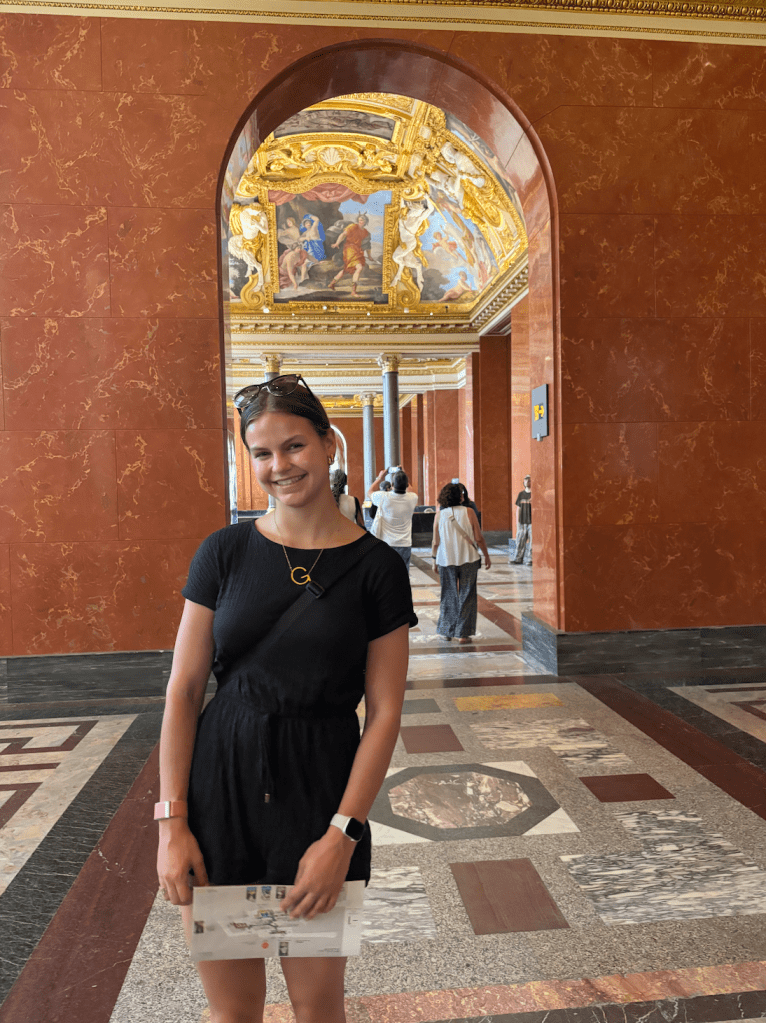
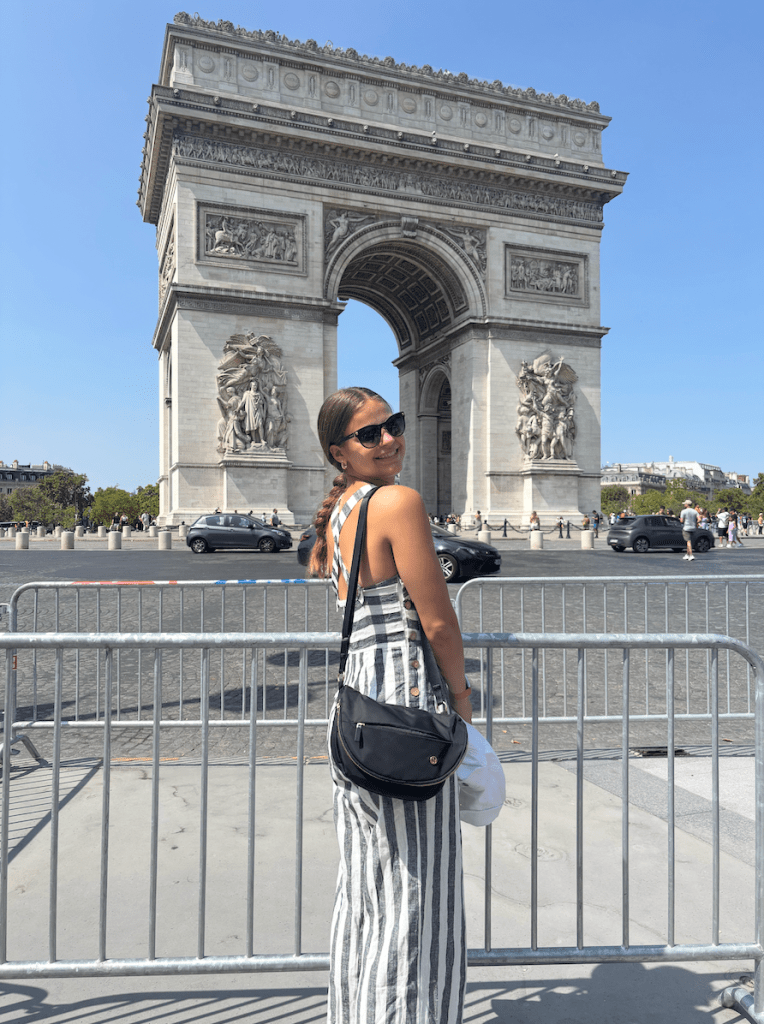
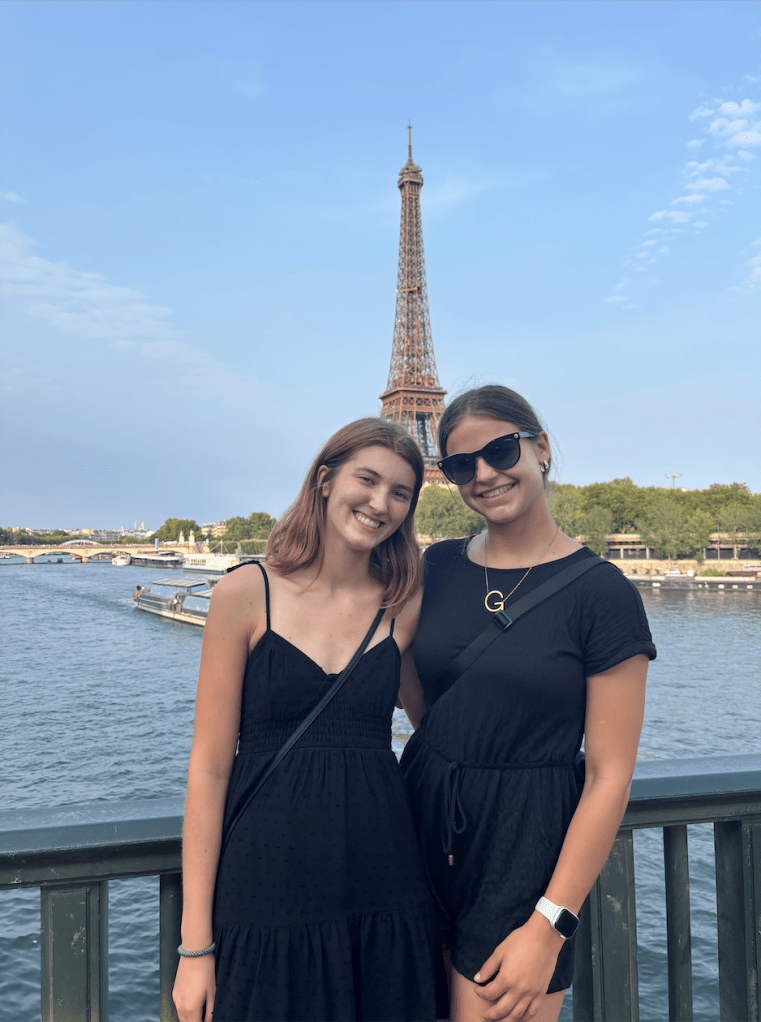
That nameless but ever-present anxiety grew louder in my first few weeks in Europe until one afternoon, on a run through Utrecht, it finally peaked. I was on a run along one of the city’s cafe-lined canals, watching the evening light filter through the leaves on a sun that seemed like it would never set (and it wouldn’t until well after 10 every night). It was peaceful and stunningly beautiful. In that quiet moment, I realized something with surprising force: I had been to five different countries this summer, but barely knew the town I was supposed to be living in. I had seen the highlights of other places but had overlooked the beauty right in front of me. The realization left me feeling nostalgic and a little sad. This was my temporary home, and I was treating it like a holding cell, jetting off to a new city every chance I got. I knew there must be a way to satisfy my need to travel with my longing for peace. I wanted to experience the world, not just see it.
So one weekend in mid-July, I decided to consciously throw away the checklist. I took a solo day trip to Rotterdam, and on my way out of the train station, I gave myself a new rule: for the entire day, I would simply follow whatever would bring me joy in the moment. The first thing I saw was a Starbucks. In an act of defiance against my inner travel agent, I walked in and ordered a tiramisu frappuccino. If you’ve talked to me in the past two months, you would know how much I wanted to try this drink. But for some reason, I’d never let myself have that because it felt like I wasn’t “taking advantage” of Europe if I ended up in a Starbucks. I found a table, opened my journal, and just wrote for nearly an hour, letting the anonymous noise of the cafe swirl around me. It turned out to be the day of Rotterdam Unlimited, a massive Caribbean street festival that filled the city with music and life and dancing. I let myself get swept up in it, wandering through the market for three hours, admiring crafts from incredible artisans and breathing in the smoky scent of a Caribbean BBQ truck where I eventually got my lunch. I shopped for a while and then found a spot to watch the vibrant, seven-mile-long parade of dancers and floats. Later, I stumbled upon a giant bookstore and got completely lost in the aisles for what must have been another hour, pulling random books off shelves and reading the first few pages.
I never made it to the famous Cube Houses or the Erasmus Bridge. And the craziest part? I don’t feel like I missed a thing. I truly feel like I saw the city, not as a visitor checking off a list, but in the same way I experience my own hometown. It was a day of familiar comforts (a coffee, a farmer’s market, a bookstore) played out against the unique energy of a new place. It was a perfect parallel, a blend of old comforts and striking newness that kept me on my toes.
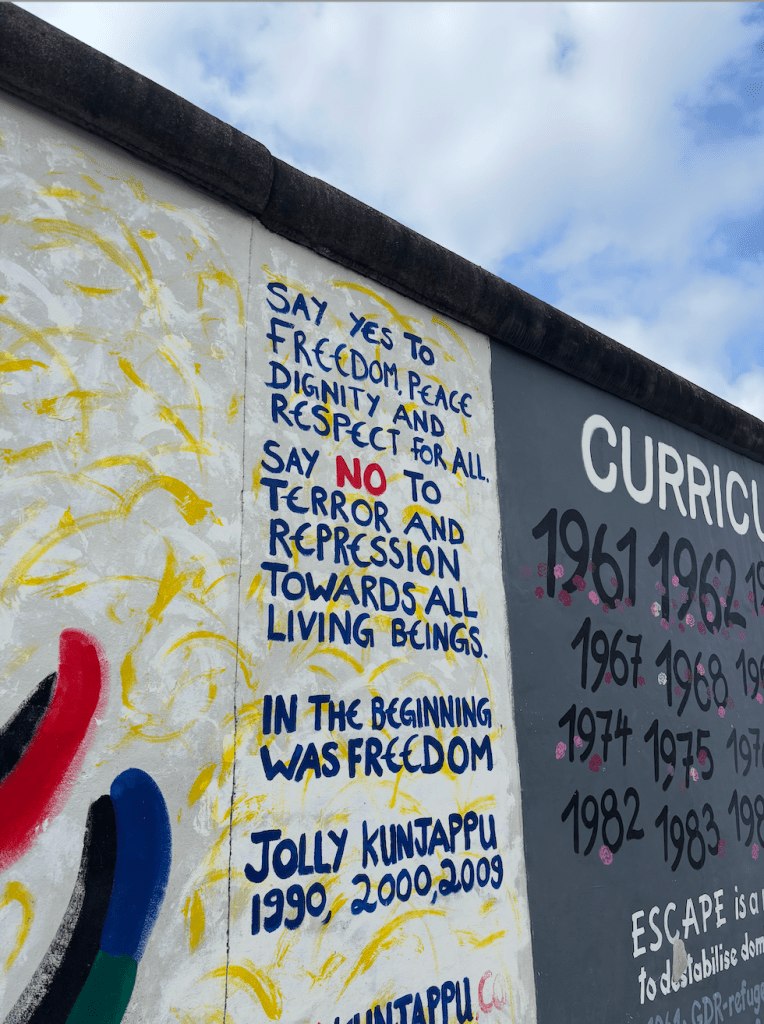
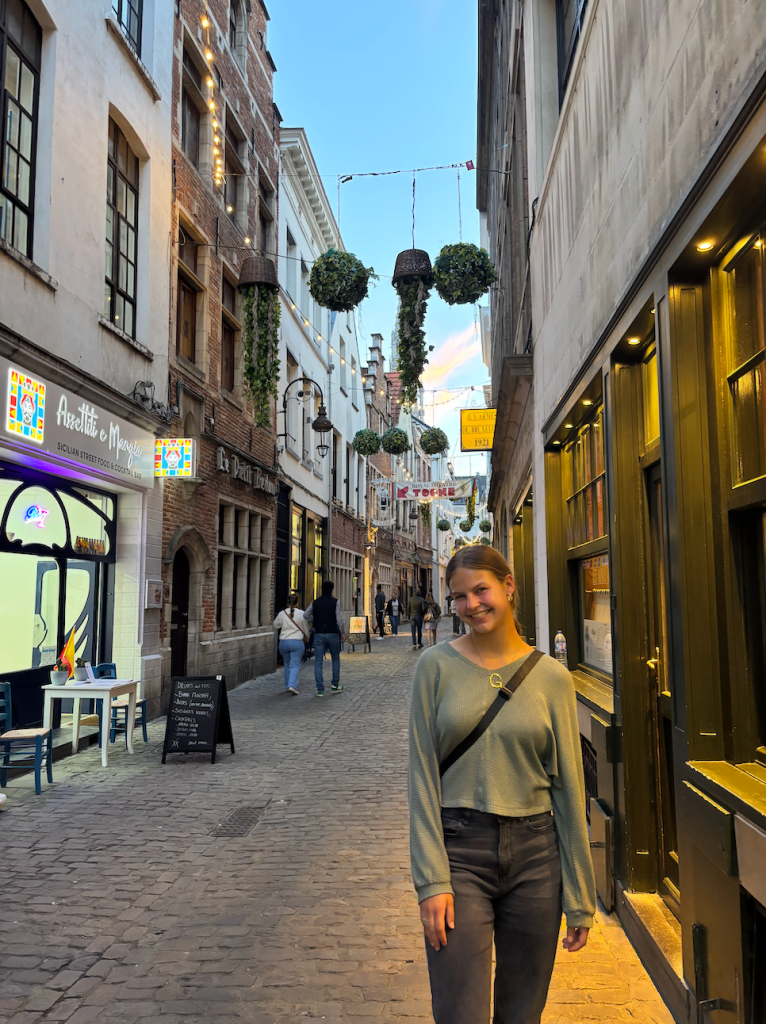
I’m learning that the most meaningful part of living abroad isn’t about the grand tours, but about finding a new rhythm. It’s about inhabiting a place, not just observing it. Back in Utrecht, I’ve found my local gym. I go so often now that I’ve become friends with some of the employees, and their simple “hello” when I walk in makes me feel like I belong. Although they didn’t know my name three months ago and we may never meet again once I return to Boston, the comfort of seeing their faces every day is similar to an encounter with an old friend. I’ve discovered a love for the post-workout sauna, a small luxury I never would have prioritized on a packed travel itinerary. These small routines are what make a place start to feel less like a destination and more like a home. They are the anchors in a sea of newness, the new version of knowing the exact number of stoplights to my best friend’s front door.
This experience has me rethinking what it means to travel. So I’ll ask you the questions I’m now asking myself:
- What does “making the most of it” really mean to you, beyond the social media highlight reel?
- Where does the pressure to perform your travels come from, and how can you give yourself permission to set it aside?
- What small, quiet moments can you create that will make a foreign place feel, even for a little while, like it’s truly yours?
Maybe the greatest growth we find abroad isn’t in how many cities we see, but in learning to be truly present in one. Maybe the best adventure is the one where you finally give yourself permission to stop chasing a story, and just live.
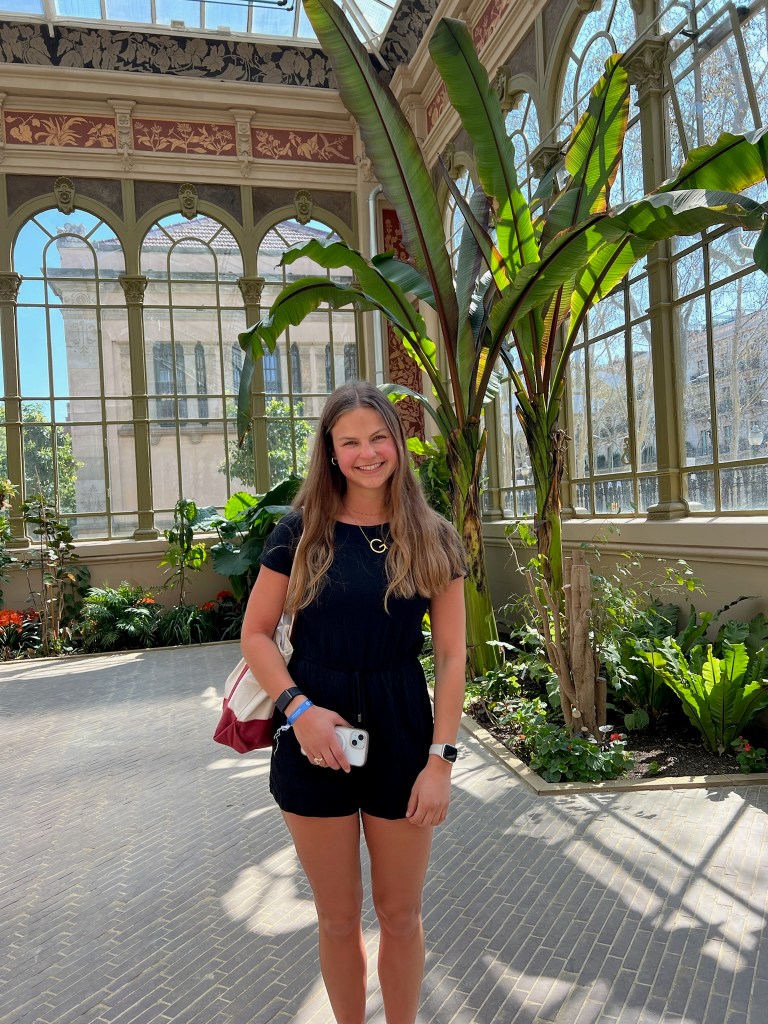
Over the summer, Greta R. ’27 worked in machine learning at a medical technology startup in Amsterdam. At MIT, she is majoring in artificial intelligence and business analytics and is involved in Air Force ROTC, Kappa Alpha Theta, and the Tech Catholic Community.
 MISTI Blogs