Hello, my name is Celestina Pint! As a rising junior in Materials Science and Engineering, I am spending my summer interning at UTEC, an engineering and technology university in Lima, Peru. I am working with Dr. Jose Ramos, a professor in the Energy Engineering department, on an exciting initiative to reduce the negative environmental and health impacts of indoor cooking in the Andean Highlands.
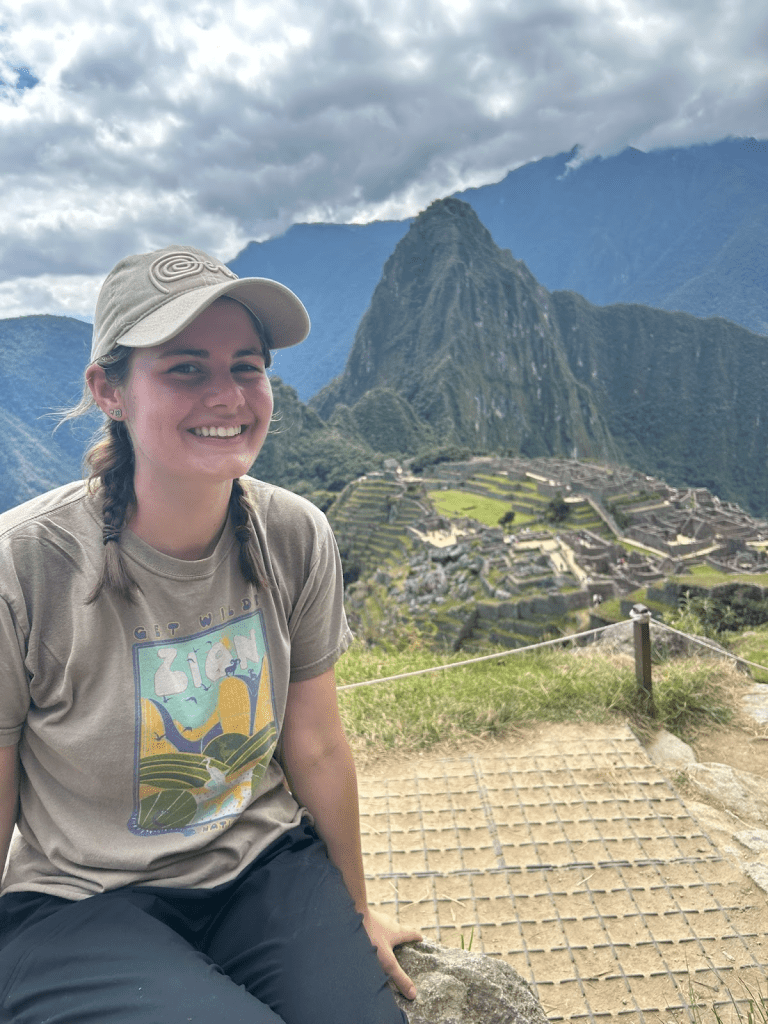
One of the most remarkable aspects of Peru is the incredible diversity of its landscapes. The three main regions are “la Costa,” or the coast, “la Selva,” or the jungle, and “la Sierra,” or the mountains. In the rural mountainous highlands, where this project is focused, there is very limited access to electricity. Thus, many households use solid fuels (like wood or charcoal) to cook inside their homes, which impacts both the environment and human health. Aside from releasing greenhouse gases into the atmosphere, this leads to high indoor concentrations of carbon monoxide and particulate matter, which can lead to health problems such as respiratory disease, cardiovascular issues, and an increased risk of cancer. Our team at UTEC wants to find a solution to this cooking fuel problem that best serves the communities of the Andean highlands and utilizes the resources that they already have at their disposal.

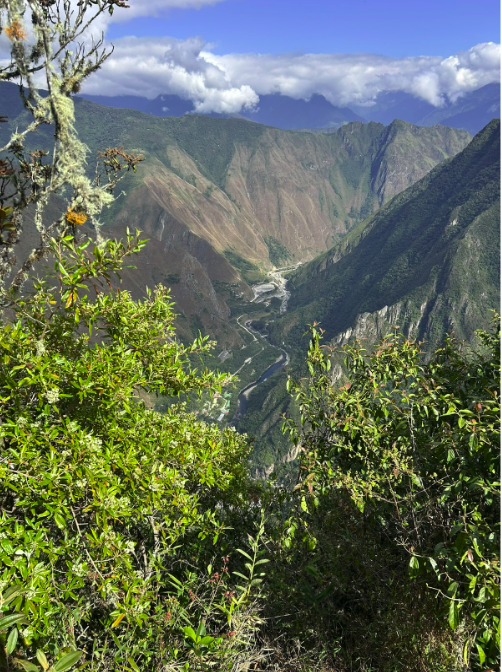
The cultural context of the Peruvian highlands has greatly shaped our approach to the cooking fuel problem. These communities can be remote and hard to reach, one of the reasons why our proposed solution uses small-scale portable fuel rather than a full-scale electrical grid or long-distance pipelines. Additionally, our approach prioritizes the resources available to mountainous communities: sunlight, water, and agricultural waste such as quinoa stalks. Quinoa is in high supply as one of the main crops of the Andes; the stalks left over after harvesting have a low value as animal feed, but a high heating value as a fuel source, making them ideal for syngas production. Overall, it is crucial to consider that even within Peru, each region has a completely different context, and what works as a solution in one region might not be suitable for another.
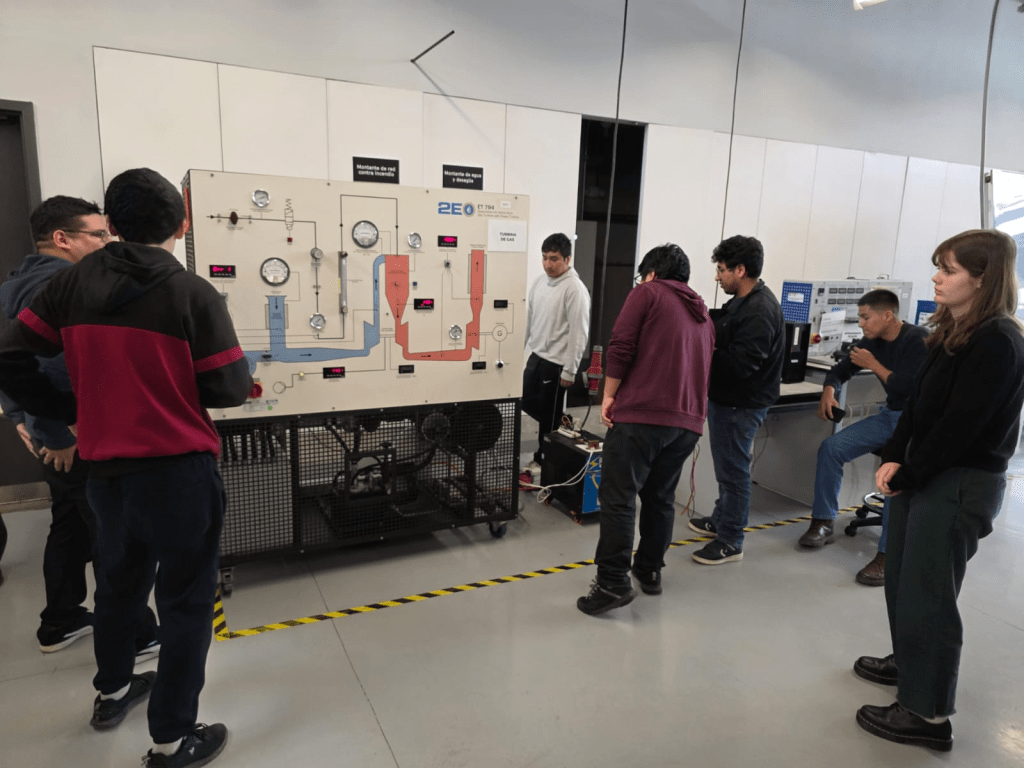
Building on the natural resources available in the highlands – sunlight, water, and agricultural waste – Dr. Ramos and his team are developing a plan to produce a blend of syngas (synthetic gas) and hydrogen gas as an alternative to traditional household cooking fuels. Syngas is produced by the gasification of agricultural residues and consists of gases such as hydrogen, carbon monoxide, carbon dioxide, and methane. This process transforms otherwise discarded waste into a cleaner-burning gas. To supplement the syngas and increase its energy density, green hydrogen can be produced through solar-powered electrolysis of water. Before this idea can be implemented, however, experimentation is needed to determine the best gasification method, the best mix of gases, and safe and efficient ways of storing and transporting the gaseous fuel. For example, hydrogen embrittlement poses a risk to storage containers, so gas tanks need to be designed with durability and longevity in mind. Additionally, the entire process should be optimized for both environmental impact and cost to beneficiaries. This could be a challenge considering the high upfront costs for this technology and the high cost of hydrogen production in general.
Through this project, I have gained more technical knowledge about gas fuels and hydrogen technology, which will be valuable for my future studies. Additionally, working on this project gave me the opportunity to further consider the balance between cultural appropriateness and technological innovation. At this stage in the project, there was no direct communication between Andean residents and the team at UTEC, which meant that I was learning about these communities through second-hand sources. I think that the project could greatly benefit from more intercommunity conversation, especially given the challenges with cost. I believe that the most successful projects include community voices early on to ensure that solutions are designed with the users in mind; if their input is taken early on, they are more likely to use the solution long term.

With more research and experimentation, this solution can be scaled up to bring cleaner cooking fuel to the Andean highlands, improving the environmental and human health of the region. To achieve this, more investigation into the most optimal gasification method, mix of gases, storage, and transportation is needed. In the future, we hope that the hydrogen-enriched syngas could also be adapted for use in nearby regions like Ecuador and Bolivia, or other communities worldwide that struggle with poor indoor air quality due to traditional fuels. Learning about both the technology and cultural context behind this project has been extremely rewarding, and I am excited to see where it goes next.
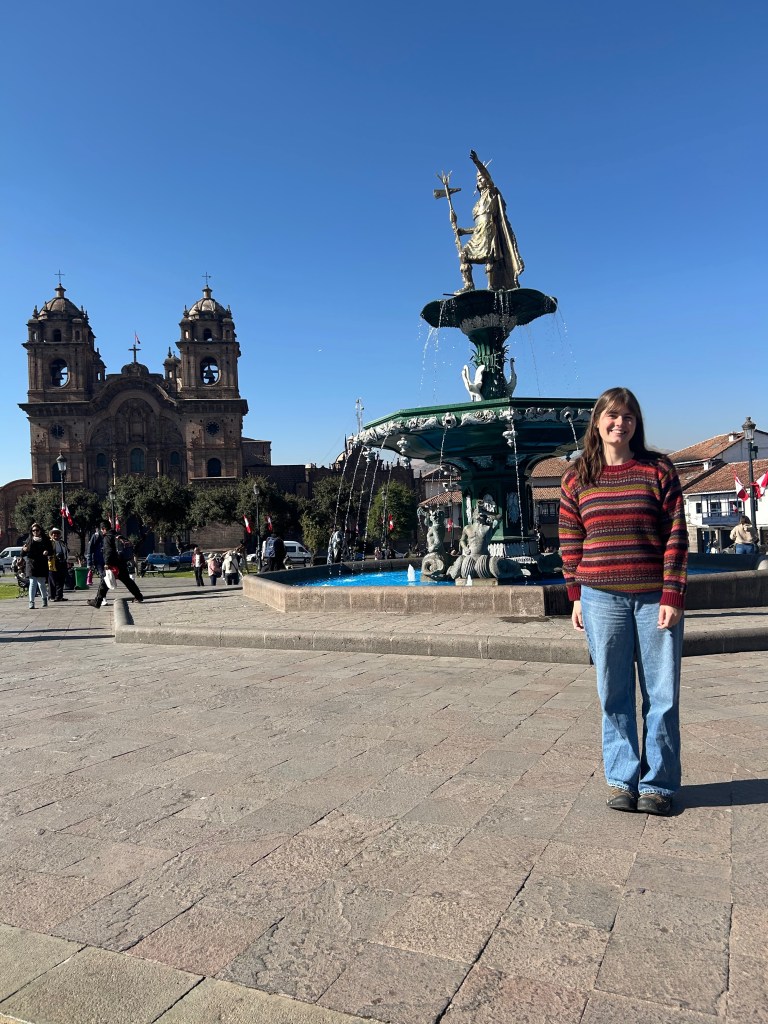
Majoring in materials science and engineering, Celestina Pint ’27 interned at UTEC. Her team is working on developing cleaner cooking fuels for rural communities in the Andean highlands. The goal is to use synthetic gas derived from agricultural waste as an alternative fuel!
 MISTI Blogs