I’ve recently been drawn to the question: What do I want to be the metric for the quality and success of my life?
It feels like an important question. We spend our days striving, working, chasing—but toward what end? Without clarity, we risk running on a treadmill that brings us no closer to where we actually want to be.
Like many, I’ve knocked on various doors in search of happiness—academic achievement, financial success, indulging in favorite foods, acquiring the latest gadgets. And while these things bring momentary pleasure, they seem to leave untouched a deeper, persistent emptiness, if you will, within. In other words, they feel like filling a cup with a hole at the bottom—no matter how much I pour in, the underlying thirst remains.
Then came two months in India—an experience that, quite unexpectedly, left me profoundly happier.
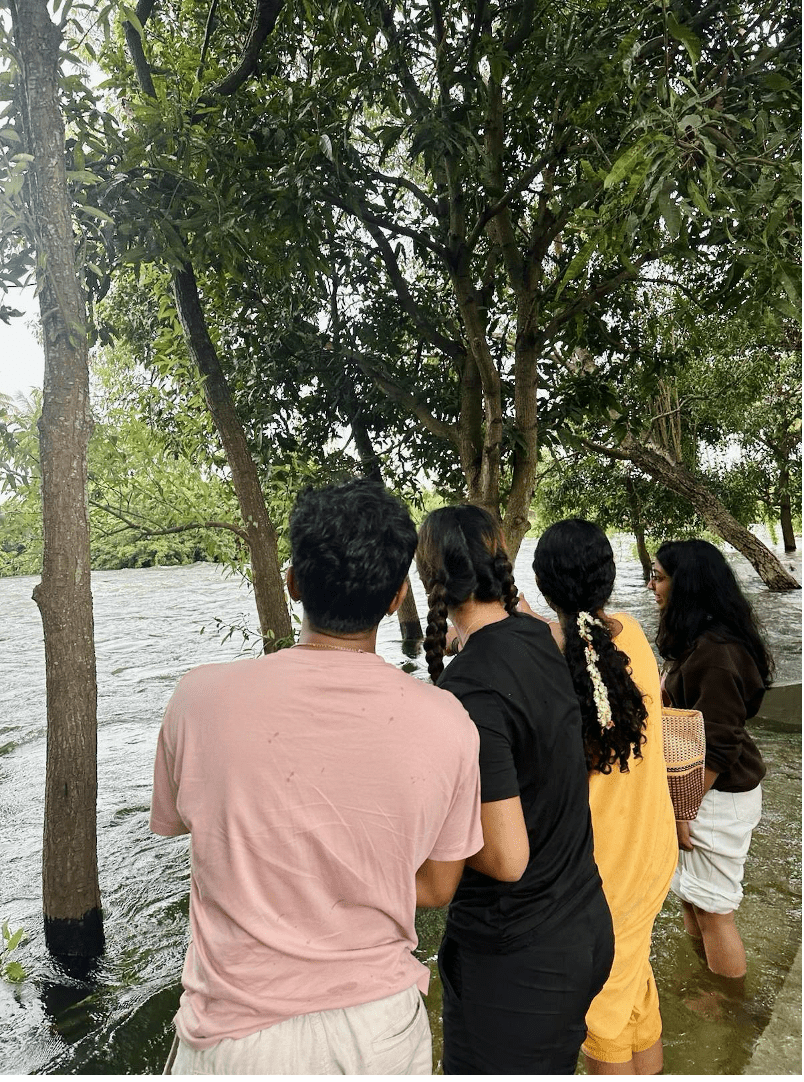
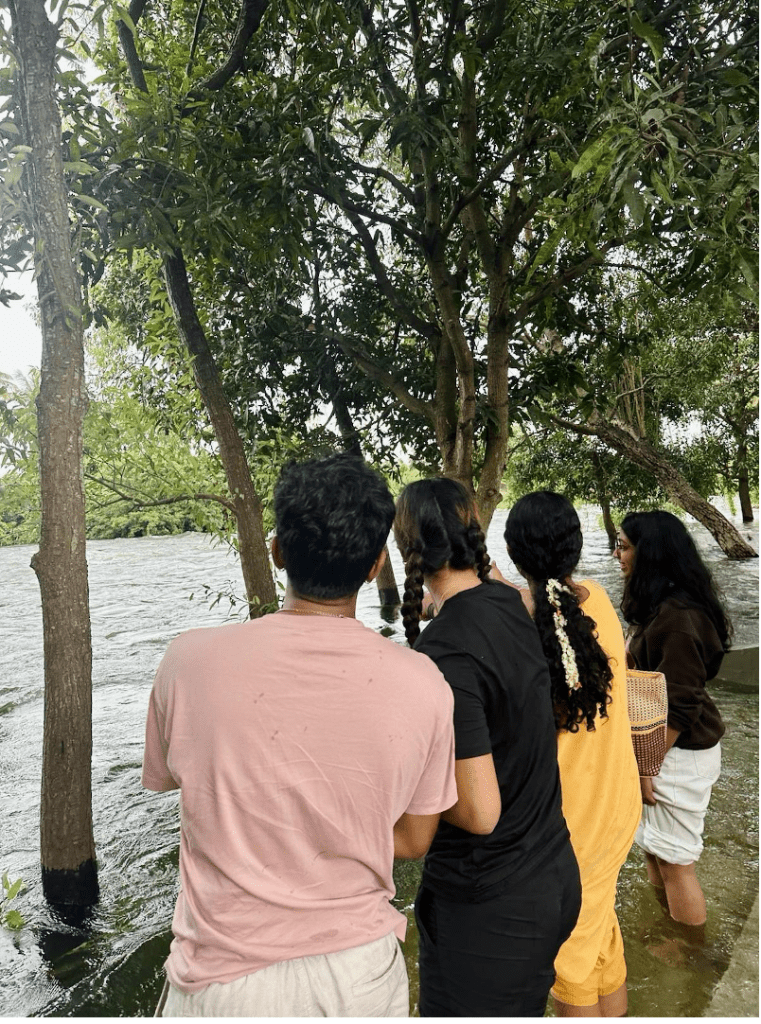
On paper, my time in India shouldn’t have been a recipe for joy. I hand-washed laundry without machines, took cold showers when the water heater failed, and squeezed into buses so crowded there was no space to hold on—or even to fall. Monsoon rains flooded the streets, and I adapted to life without air conditioning despite the heat.
And yet, I believe I was happier in many ways. While there are absolutely a variety of contributors to this phenomenon, ranging from having no exams on my calendar to Bangalore’s beautiful greenery, I think there is something to be said about the heightened sense of groundedness I experienced that seemed to stem from India’s culture of prioritizing humanity, community, and connection in daily interactions.
In India, strangers don’t stay strangers for long. Every interaction is woven with warmth—the grocery store cashier becomes akka (sister), the coconut vendor Uncle, the woman on the street Aunty. People went out of their way to help me—except, to them, it wasn’t “out of the way” at all. It was simply how they lived and engaged with those around them:
- The coworker who cooked me breakfast and lunch daily, bringing it to the office.
- The anna (brother)who not only accompanied me on the subway my first time commuting but insisted on walking me all the way to my front door because it was past dark and I was still learning the roads.
- The akka who helped clip mallipoo flowers into my hair because I’d never done it before.
- The Uncle at the bus stop—a complete stranger—who patiently guided me through the three transfers I needed to get home, relaying the details to the first bus conductor, who passed them to the second, who then told the third. Several people took on this responsibility just to make sure I, new to the country, wouldn’t get lost—all despite knowing we’d never meet again.
- The elementary school children at the school neighboring the hospital where I worked who eagerly and happily included me in their games during recess.
There was an unspoken understanding, a recognition of shared humanity that made the world feel like an extended family, where I felt like each person was my own rather than separate from me.
When I arrived in Bangalore, I knew no one—no family, no friends. Yet, almost immediately, I felt more connected to the people, streets, and world around me than I ever had before—a reality I still find astounding. This profound sense of belonging filled a void I hadn’t even realized existed, offering a solace and groundedness that material comforts never could.
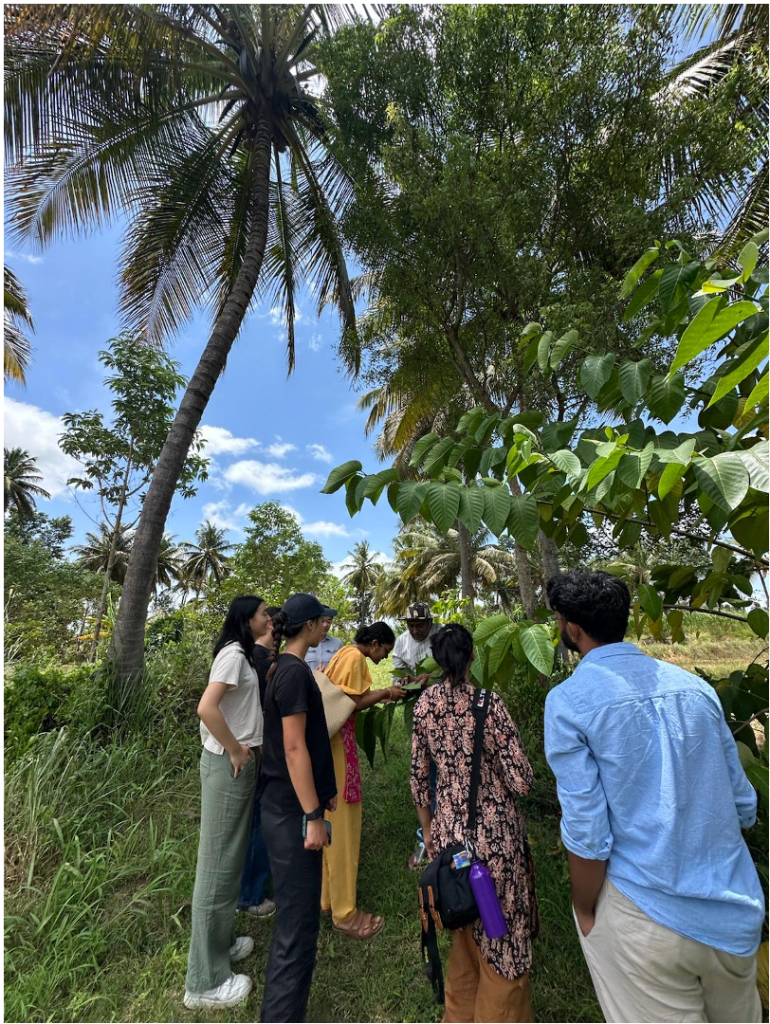
In India, not only did I feel more connected to people, I also witnessed and experienced a heightened sense of connection to all forms of life and nature around me.
The people I met became my teachers: my colleagues at the hospital, the neighbors on my street, the vendors at the coffee shop, and the strangers who helped me cross Bangalore’s busy roads when I stood frozen, shell-shocked by the multitude of racing cars and motorbikes and the need to cross without the aid of a crosswalk or traffic rules that vehicles would actually stop for. Their lived examples showed me that when we step outside our own egos—when we see ourselves in others and others as our own—we tap into a deeper, more enduring kind of fulfillment.
Now, don’t get me wrong; I’ll be the first to tell you that I love laundry machines and hot showers. But my time in India revealed that no material comfort can replace the solace of human connection. I learned that happiness may not be about what I own or the credit to my name, but rather about my ability to set aside my ego, see the world as my family, and not view others as different from myself.
To me, this prioritization of community, service, and humanity over individualism is a goal I look forward to striving for.

Kanna P. ’26 is studying brain & cognitive sciences with a minor in anthropology. This summer, she worked at a healthcare clinic for underserved communities in Bangalore, India.
 MISTI Blogs