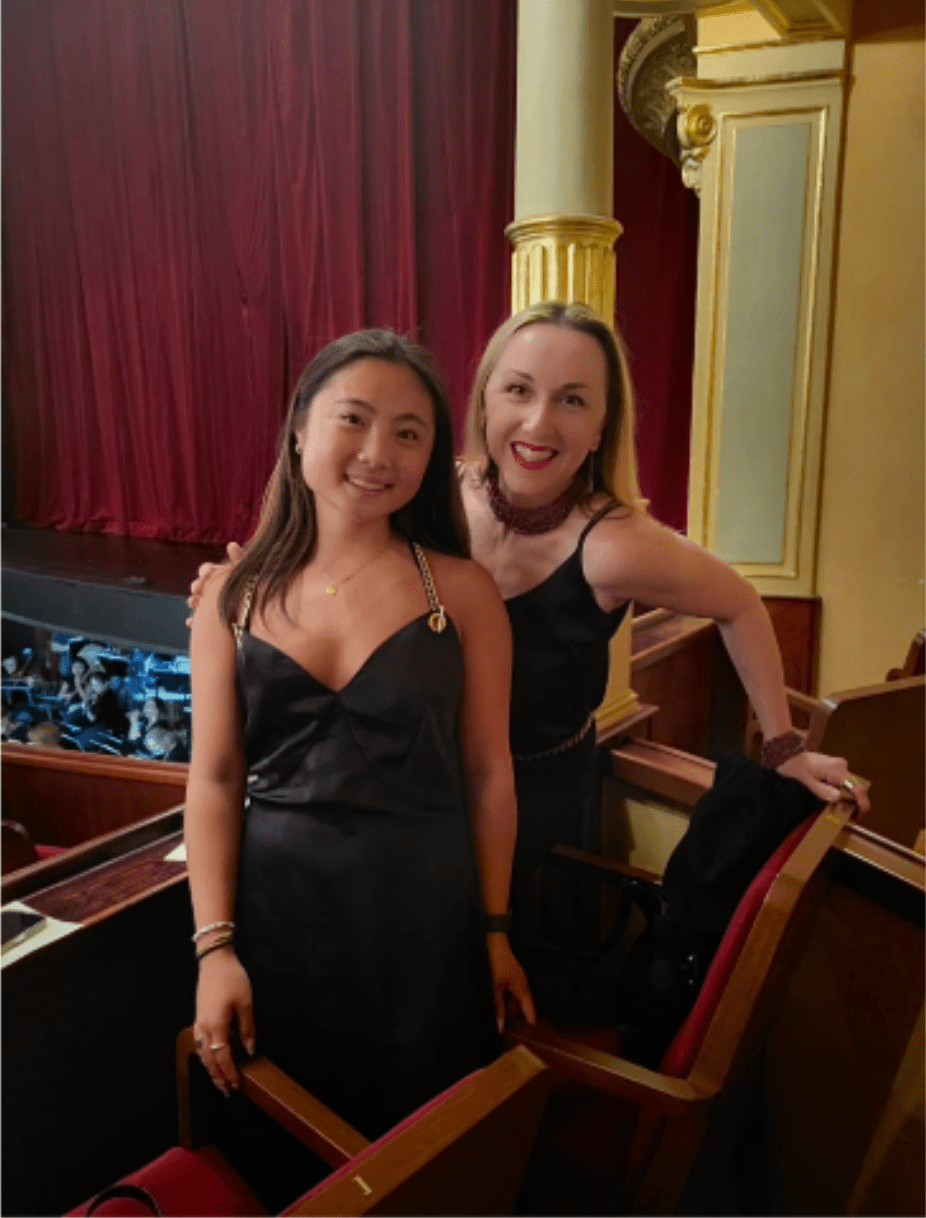
About eight weeks ago, I landed in Slovenia for the first time in my life. I’d done the usual prep–read up on some do’s & don’ts, skimmed a bit of Slovenia’s history–but was quickly humbled by how little I actually knew, especially about the language spoken here. Still, I found joy in strolling around the city center, slowly soaking up the culture and scenery around me. Within two weeks, I felt pretty acclimatized to my new home for the summer–I could get around without a map and was even picking up on bits of Slovene. There’s a quiet kind of comfort, and even pride, that comes with becoming familiar enough with a place to navigate it by heart. But even as I settled in, I still felt like an observer rather than a participant. Something was missing.
That something clicked into place more recently. I realized that no matter how much ground I cover, how many photos I take, or how many new dishes I try, it’s the people I meet that truly shape my experience in a place. As cliché as that sounds, it was the shift that helped me see I wasn’t just visiting Slovenia, but rather experiencing it.
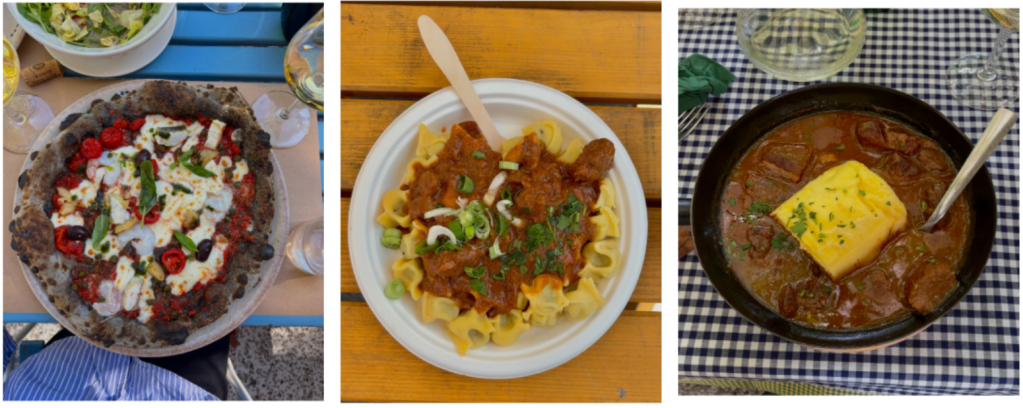
So far, I’ve been lucky to meet some pretty awesome people. The first hint of that missing puzzle piece came when I moved into my new accommodation and met my then-roommates, all here on Erasmus, a European exchange program. It’s wild how deeply I can connect with people going through the same stage of life as I am, just in completely different parts of the world. Through them, I got a glimpse of daily life in Finland, Norway, and Germany. Now, with new roommates from Portugal and France, we’ve had plenty of late-night talks about culture, politics, and everything in between— plus, of course, some extensive lectures on soccer. These friendships were my first real connection to life here, but it wasn’t until I spent time with locals that I really started to understand Slovenian culture on a deeper level.
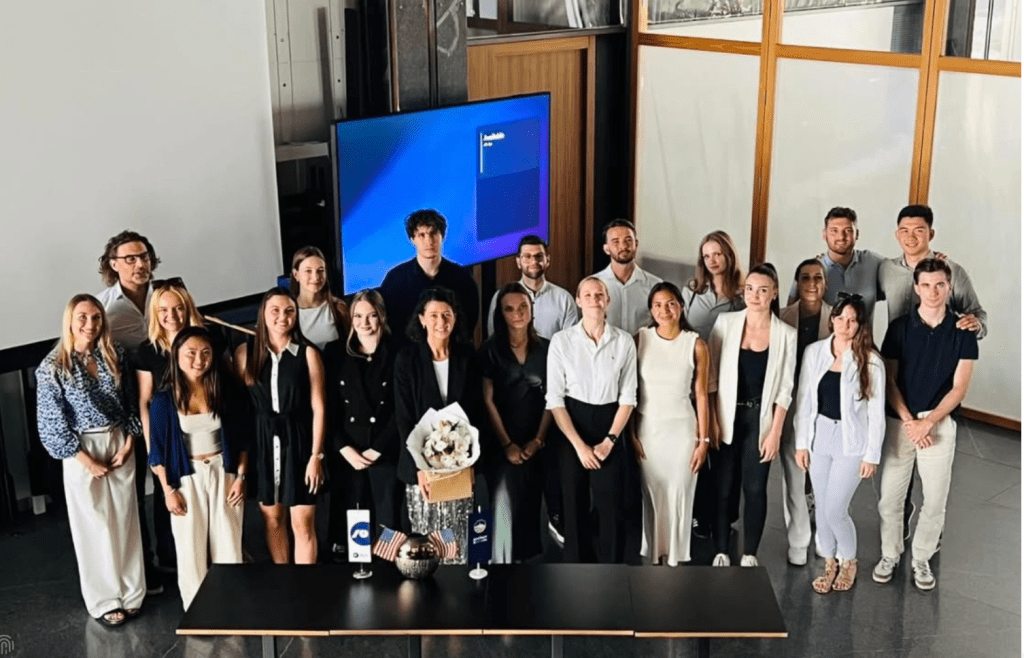
Last week, I had the opportunity to meet a group of Slovenian college students through a program partially run by the U.S. Embassy. That’s honestly when everything shifted for me. Hanging out with them—sharing meals together, joking around, and talking about everything from school traditions to government scandals—I was struck again by how different we are on the surface, yet so similar underneath. They told me their favorite mountains and lakes to hike at, the small towns I just had to visit, and the hole-in-the-wall restaurants I couldn’t miss. More than that, they opened up about their lives, and let me share mine as well.
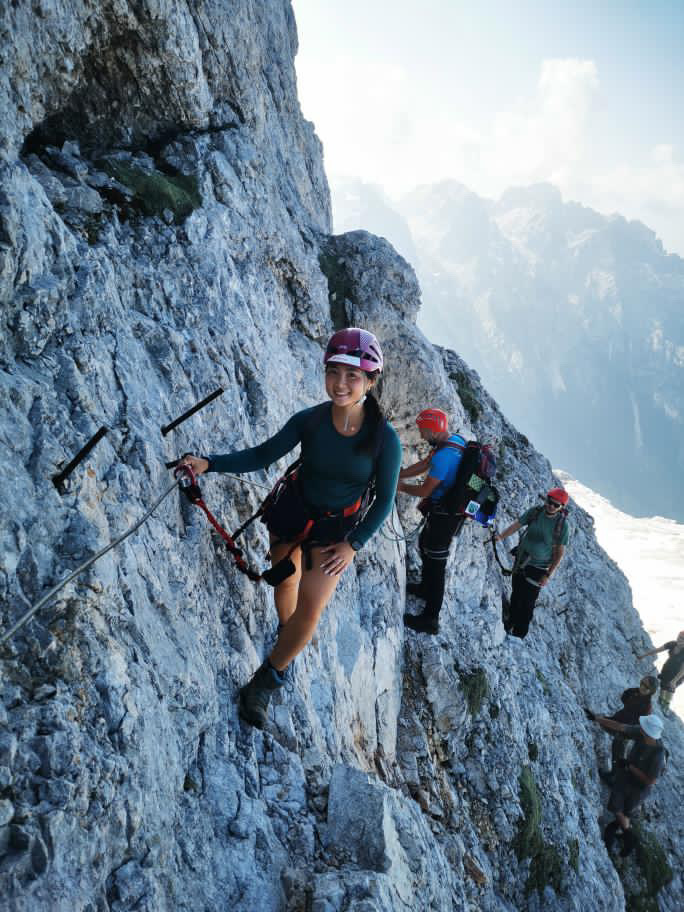
When I talked about my experience as an Asian American, I found myself pausing. Describing the “American” part has always come easy, almost like a subconsciously memorized script: born in New York, moved to Jersey, familiar with a good bagel. Here, I’ve also gotten used to explaining things like Greek life to Europeans with amused curiosity. But speaking about the other half of my identity–the Asian part—felt different. The food we cook at home, our family traditions, visits to Hong Kong and Malaysia… I realized I’d somewhat taken that side of myself for granted. Back home, where the community I live in is so diverse, being [insert another ethnicity]-American is not too special. But in Slovenia, where diversity isn’t as visible, that part of me stood out more, and I had to actually explain it. By actually sharing that out loud, I realized how grateful and proud I am of my multicultural background. To the Slovenian students, I imagine it also showed how being “American” can mean so many different things.
Maybe that’s what this trip is really about—not just exploring a new country, but rediscovering parts of yourself through new eyes. I’ve been thinking about the word exploration. Is that even the right term? Or is it more like experiencing, connecting, maybe even belonging, just a little?
Whatever it is, I know this has become so much more than just a visit. And I have the people—and their stories—to thank for that.
Vicky W. ’27, a computer science and finance major, is interning in Slovenia through the MISTI Ukraine program. She’s working on route optimization and software applications using those algorithms.
 MISTI Blogs