If there’s one thing that has truly captured my heart during my time in Singapore, it’s the hawker culture. These vibrant, bustling hubs of culinary delight are one of the best aspects of living here! The food is incredible. It’s some of the tastiest (and cheapest) meals I’ve ever had. Imagine stepping into a lively, open-air food court, with the mouthwatering aromas of sizzling satay, rich laksa, and smoky char kway teow wafting through the air. The sheer variety of colorful stalls, each offering its own specialty, is enough to make any foodie giddy with excitement.
Each dish has a history, shaped by the hands of those who have refined it over time, making hawker centers an important and authentic part of daily life here.
But hawker centers aren’t just about the food—they’re about the community. These spots are like cultural crossroads where people from all walks of life come together over a shared love of great eats. Whether it’s breakfast, lunch, or dinner, the energy is contagious. Locals, tourists, families, students, and solo diners all gather around communal tables, laughing, chatting, and savoring their meals side by side. In 2020, UNESCO inscribed Singapore’s hawker culture onto its Representative List of the Intangible Cultural Heritage of Humanity, describing Singapore’s hawker centers as “community dining rooms,” — places where everyone connects over food. And once you experience it, you’ll understand why these spots are so beloved.

At the National University of Singapore (NUS), where I’ve been spending a lot of my time, the hawker-style dining halls are just as impressive. Two of my favorite dishes from here are Nasi Kari Ayam, which features chicken thigh in a rich curry gravy with sambal tumis chili, and homemade egg noodles with minced chicken and sliced mushrooms. The Nasi Kari Ayam, paired with fresh watermelon juice and mango, costs about 7 USD, while the egg noodles come to just 2 USD. After my experience at MIT, it’s surprising to find such high-quality food at such affordable prices.
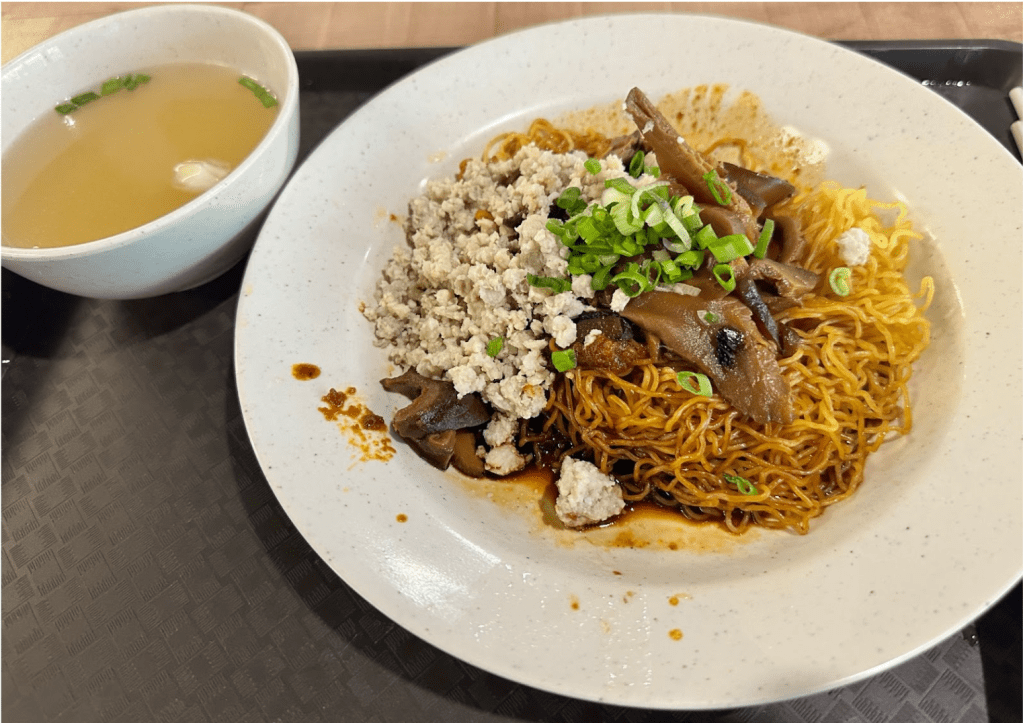
What makes these meals even more special is the care and tradition behind them. Many of the hawker stalls are run by families who have been cooking their dishes for years, sometimes even generations. You can sense the pride they take in their food. It’s not just about getting a quick bite—it’s about enjoying a part of Singapore’s culinary heritage. Each dish has a history, shaped by the hands of those who have refined it over time, making hawker centers an important and authentic part of daily life here.

Sophie Wang, class of 2027, majoring in math and artificial intelligence and decision making. She interned at the National University of Singapore, where she worked at the Department of Computer Science and the Department of Biochemistry.
 MISTI Blogs