
The scent of sizzling meat greets me as I step into 강강술래 (ganggangsullae), the Korean BBQ restaurant that has been a constant in my family’s life for over fifteen years. The air is thick with the aroma of grilled pork belly and sesame oil, mingling with the low hum of conversation, laughter bubbling up like steam from the grill. I pick up the tongs and flip the meat. I place the cooked pieces on my grandfather’s plate, nudging him to eat.
The taste of galbi is both familiar and distant, much like Seoul itself. This city felt like home when I lived here in elementary school. Back then, identity was as simple as reaching for a piece of kimchi, as natural as the sound of my mother’s voice calling me to the table. My identity was a script already written.

A decade later, I’m back—familiar sounds of cicadas chirping and the heavy monsoon pounding on the roof, but I know so much has changed since I last called it home. Seoul feels like a world I only half understand, its language slipping through my fingers like the steam from the grill, dissipating before I can grasp it fully. I still speak Korean well, but time and distance have blurred their edges; I trip over words, forget phrases, and scowl at new expressions. As a college student in America, my Korean identity is something I have to actively construct, something that isn’t always in place.
Making sense of the world
At the Korea Advanced Institute of Science and Technology (KAIST) Graduate School of AI, my days as a student intern are filled with coding optimizers and evaluating language models. My work is precise, often consumed by the labyrinth of debug logs and runtime analyses. But even in this technical realm, I recognize that coding, too, is a language—a way of making sense of the world through logic and structure. As I become more proficient in Python, I am reminded of how language threads through my work: connecting disparate ideas, guiding my approach to problems, and shaping how I think about solutions.
Whether technical or cultural, I’m discovering through MISTI Korea what language means in the context of my identity and how these different aspects of my life intersect and inform each other.
“It’s more than a desire to reconnect or belong; it’s a wish to experience the city more intimately as if I owe it to myself and my heritage to stay tethered to its pulse.”
Identity is not static. It shifts and evolves— like code, language, and the city of Seoul. I’m both the little girl who left Korea and the woman who has returned, fluent in some ways yet still learning. There are moments when the city feels like a familiar old friend, but then, in the next breath, I marvel at how rapidly it has changed. The K-pop groups I once adored—EXO and Girls’ Generation—no longer dominate the airwaves; instead, NewJeans’ “Magnetic” has become an anthem for the younger generation. Fashion has shifted, too. Now, everyone is dressed in crisp white shirts and black slacks, their faces adorned with the same shade of blush and lipstick, following an unspoken dress code of the times.
I once saw these changes as losses—pieces of the Seoul I knew were slipping away, and with them, pieces of myself. But now I realize that change doesn’t diminish my connection to this place or my claim to being Korean. Even when I speak English on the streets with my American friends or visit touristy spots, the essence of what ties me to Seoul remains. It’s more than a desire to reconnect or belong; it’s a wish to experience the city more intimately, as if I owe it to myself and my heritage to stay tethered to its pulse.

Beyond my work at KAIST, I’m here to understand that I’ll have a place in this ever-evolving city. While grilling meat at Ganggangsullae, having my dorm to return to, and going on MISTI-Korea trips to areas I’ve never been to, I am reminded that language, identity, and memories are constantly being written. It’s not about holding on to a static idea of who I am but embracing the fluidity of identity, allowing it to evolve with each meal, each place, and each experience.
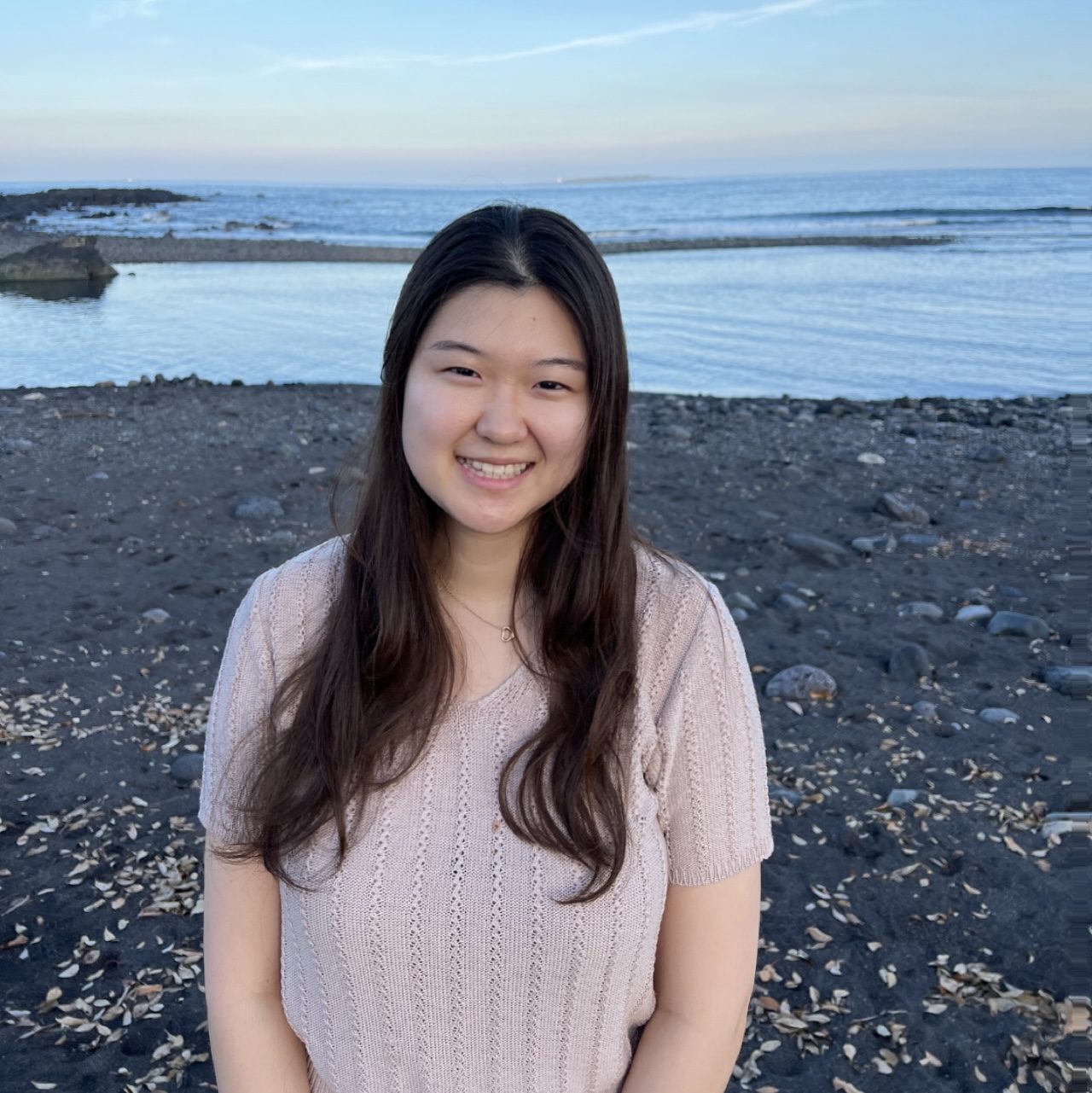
Jessica Kim ’27, a computer science and engineering major, interned at the Korea Advanced Institute of Science and Technology (KAIST) Graduate School of AI during her freshman year through the MISTI Korea internship program 🇰🇷.
 MISTI Blogs