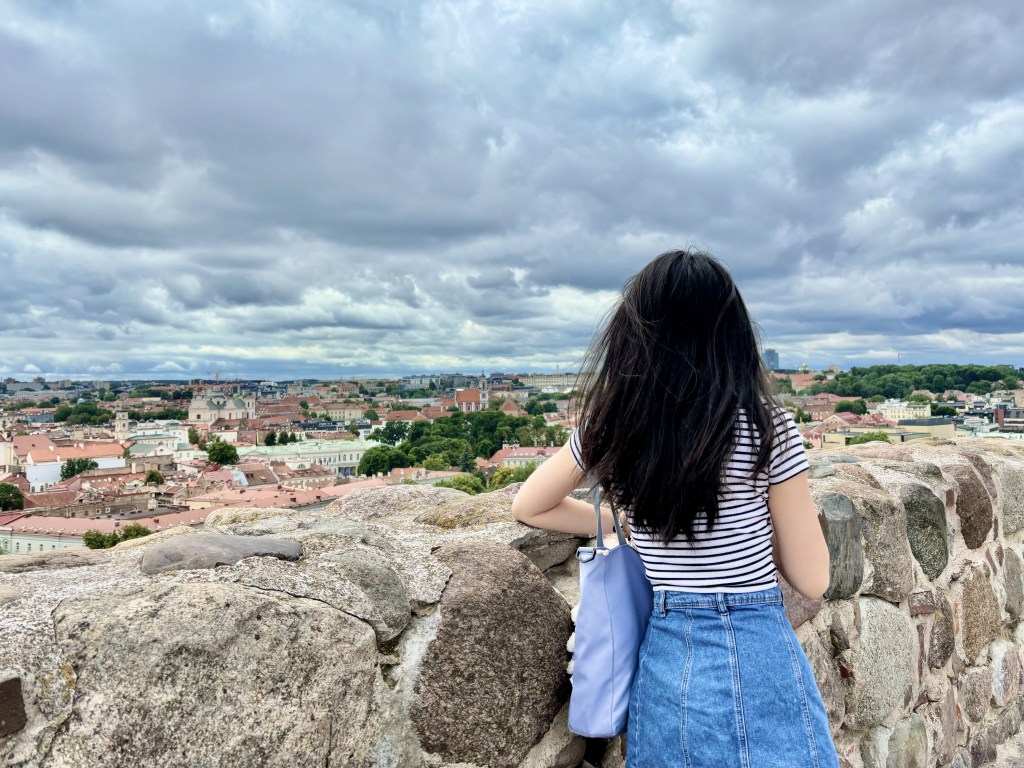
Daily life in Lithuania
This summer, I am in Lithuania for an internship. It is my first time in Europe; my first time in a foreign country where most of the population does not look like me. Living here for a few months has allowed me to immerse myself in Lithuanian culture and discover a new perspective on certain aspects of my life.
On a typical weekday, I head to my job at Acoris, where I develop and implement AI applications in sales and marketing. Talking to my colleagues has not only provided me with insight into their life in Lithuania but also a point of comparison to my identity.
The conflict between religious and personal beliefs
I grew up in a Christian family and went to a non-denominational church. When I was a child, my parents would take me to church every Sunday. I would absorb everything I was told, accepting it as the truth. However, as I grew older and developed more life experiences, certain topics covered at the church started making me feel uneasy. I began doubting whether I had to follow these rules to be a good person. I began questioning the church, and when I went to college, I stopped going completely.
With an open mind and a willingness to learn, we could find belonging in any community. I hope to one day see my community of people, challenging each other with our diverse perspectives.
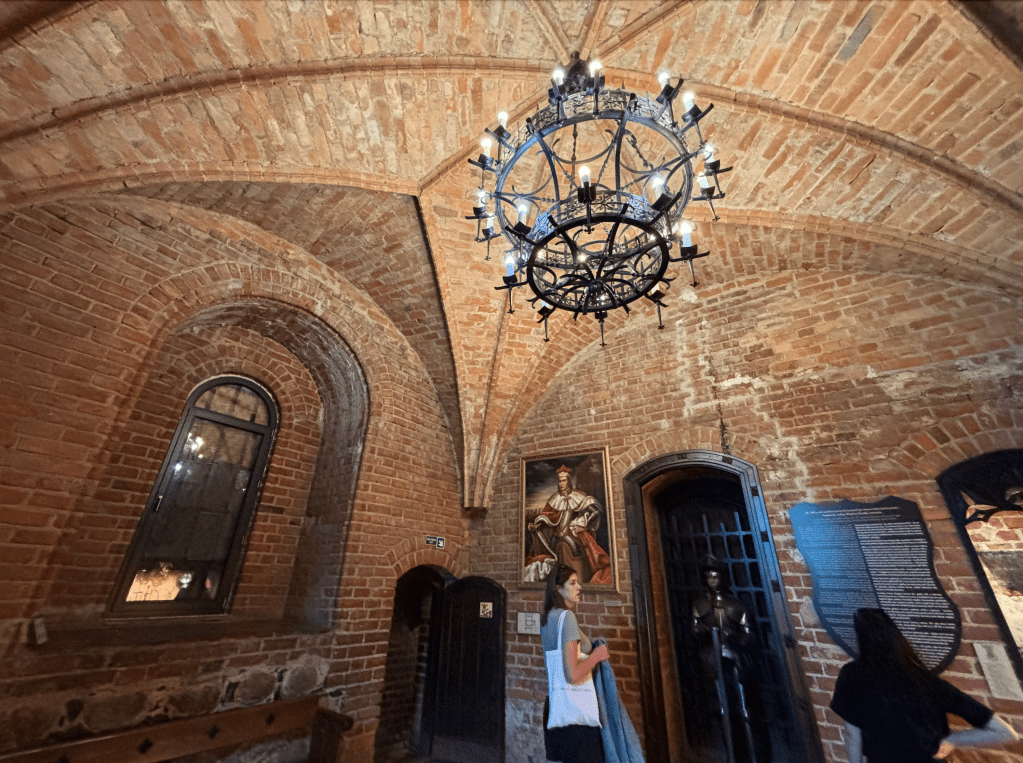
In Lithuania, my supervisor invited me to come to her church one Sunday. At first, I was hesitant, worrying that I would feel out of place. My worries were proven wrong though, as despite being unable to speak English, everyone at the church welcomed me. We began singing worship songs, and my supervisor was kind enough to translate the words for me. Everything felt familiar, like the church I used to go to back home. Perhaps I should find a Christian community at MIT. Maybe I would feel welcome there as well.
But I was reminded of why I had drifted from the church when the preacher read a piece of the scripture I opposed. 1 Timothy, chapter 2, verses 11-15: A woman should learn in quietness and full submission. I do not permit a woman to teach or to assume authority over a man; she must be quiet. For Adam was formed first, then Eve. And Adam was not the one deceived; it was the woman who was deceived and became a sinner. But women will be saved through childbearing—if they continue in faith, love and holiness with propriety. I felt the verses were limiting towards women, pushing us into a predefined role rather than providing liberty for us to decide what we want for ourselves. Once again, the conflict between religious and personal beliefs disconcerted me. I disagreed with the teachings. I struggled to find my place here.
I used to feel judged in the religious community. I felt people were labeling me as a good or bad person depending on my behavior or beliefs. Did I support my church’s stance on the Israeli–Palestinian conflict? If not, I was a bad person. Do I question certain scriptures in the bible? If so, I was being sinful. I had to watch what I say or do, lest I be judged. But perhaps, I was being judgemental too. Everyone at the Lithuanian church had welcomed me. No one treated me differently because I was a woman. Yet, when I heard a bible verse I interpreted as offensive, I immediately judged the community to be misogynistic.
It is important not to make broad generalizations of a group of people just based on a few cases. With an open mind and a willingness to learn, we could find belonging in any community. I hope to one day see my community of people, challenging each other with our diverse perspectives.
Broadening perspectives
I never got the chance to truly explore my personal beliefs aside from the ones I was expected to have, so I love discussing theology with my colleague, who is also Christian but does not belong to any denomination. She hoped to deduce what the Bible’s authors wanted to convey, so she compared the text from different translations. I find her dedication admirable—she has found her own way within a prominent religion.

Aside from Christianity, I have learned about other religions in Lithuania, including Paganism. Lithuania held out against Christianization during the Crusades and was the last pagan country in Europe. Pagans believed in the sanctity of nature, and some qualities of Paganism are still present in Lithuania through some architecture and their enduring love for nature. For example, my colleague told me that people from her community were protecting trees from being cut down when the city planned to widen roads, demonstrating the appreciation Lithuanians have for nature.
Global politics
Beyond my cultural discoveries, my American identity has also come into focus, particularly in relation to global politics. The American presidential election has been a major topic of discussion, and I’m struck by how closely people here follow it. U.S. policies have a big impact on Europe, especially regarding support for Ukraine in the Russia-Ukraine war. Some of my colleagues fear that if the U.S. withdraws its support for Ukraine, Russia will take over the country, and the Baltic states will be next. Previously, despite the time I invested in watching the election news, I had always felt that, regardless of the result, my life was not in danger. However, I now realize that these people, who do not even have a say in American politics, do not share the same luxury.
The realization that decisions made in the U.S. have far-reaching consequences made me think about my family in Taiwan, who are also frightened by the geopolitical tensions in their region. Similarly for them, the result of the upcoming presidential election could determine their safety and well-being, especially given the increasing tensions between Taiwan and China, as well as the complex relationship between China and Russia. While we may not always be aware of the dangers that people face in other countries, the state of the world affects us all, no matter where we are or how we identify ourselves.
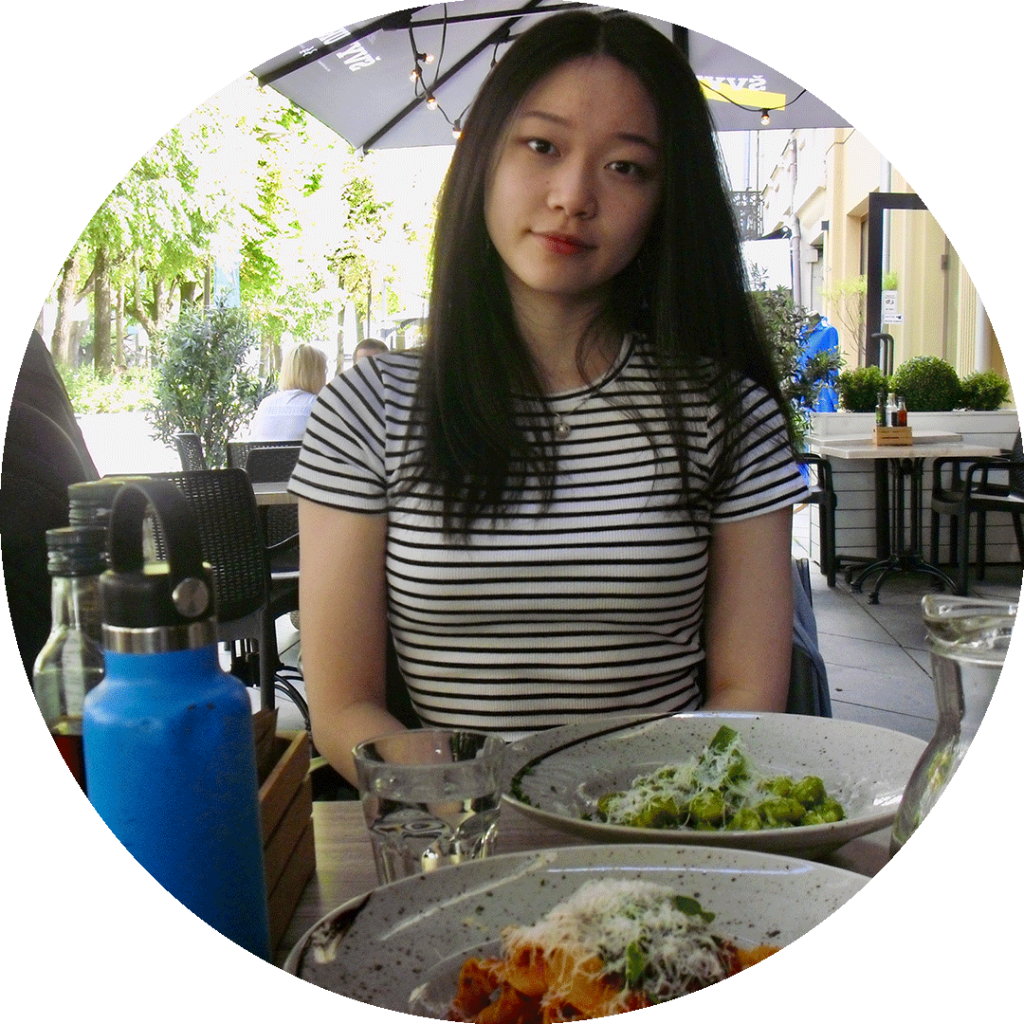
Josephine Wang ’27, is interning at Acoris in Kaunas, Lithuania, where she is working on AI applications and software. Outside work, she loves marveling at Medieval architecture, petting her supervisor’s cat, and exploring with her friend Konnie.
 MISTI Blogs