
This year, June was special for me as I had the chance to experience the four-day-long Islamic festival of Eid al-Adha, also known as the Feast of Sacrifice, in Morocco. In Morocco, the seriousness with which everyone, including businesses, observed the holidays was palpable. Initially, it threw me off guard how seriously holidays were taken. Even in the days before and after Eid, the atmosphere was reminiscent of Christmas and Thanksgiving, with people coming together and a sense of joy and community in the air. On the holiday, stores closed, rideshare and delivery apps were unavailable, and kids played joyfully in the streets. It felt like the world stopped for Eid. We got four days off work at the internship in Technopark, and I noticed that people here work to live and enjoy life, unlike in the US, where we often live to work.

Eid al-Adha honors the story of the prophet Ibrahim (known in the Jewish and Christian Bibles as Abraham), who offers to sacrifice his son as an act of obedience to God’s command. Before Ibrahim can carry out this act, Allah produces a lamb for him to sacrifice instead. This festival is a significant event throughout the Muslim world, and it was a privilege to witness it firsthand. I noticed people dressed up in their best traditional clothing, adding to the festive and respectful atmosphere.
At the end of the prayers and the sermon by the Imam, everyone greeted each other using the celebratory phrase “Eid Mubarak.” I walked past friends and family who often gather for a barbecue, enjoying traditional foods and sweets. Sweets and gifts, including ma’amoul (pastries filled with dates or nuts), are exchanged, and visits to extended family members are common. According to Islamic tradition, the meat is divided into three parts: one-third for the host family, one-third for extended family and friends, and one-third for the needy. If distributing the meat isn’t possible, a charitable donation is made in the spirit of Eid al-Adha.

The spirit of generosity and community was everywhere. I was even offered sheep, which was a gesture of inclusion and kindness! I got to visit the mosque, hear the beautiful music, and fully immerse myself in the holiday. This celebration highlighted how deeply family and community are valued in Moroccan culture. It was a heartwarming experience that I’ll always remember, demonstrating the beauty of cultural and religious traditions. Celebrating Eid al-Adha in Morocco was an unforgettable experience, showing me the richness of Moroccan hospitality and the profound significance of this holy festival.

While I was not in the United States, I was excited around this time period because I still got time off around the time of Juneteenth during Eid, and I was able to celebrate the holiday that I value and hold dear as an African American in a new way — honoring the liberation and solidarity between Black and Arabic cultures. Juneteenth, now a federal holiday, commemorates the end of slavery in the United States.
On June 19, 1865, the Union Army, led by General Gordon Granger, arrived in Galveston, Texas, and declared that all enslaved African Americans were free. Although the Civil War had ended, the news took time to reach Texas. Despite the Emancipation Proclamation, not all enslavers complied until the Union Army’s intervention. Juneteenth is celebrated with red foods, symbolizing resilience amidst bondage, and includes watermelon, red velvet cake, barbecue, and strawberries. It is a time for communities to gather in celebration and remembrance, recognizing the history of slavery and the joy of freedom, and while I did not have the traditional cookout gathering and community with my Divine 9, NPHC sorority brothers and sisters, and affinity groups that I was used to this year, while in Morocco, I engaged in conversation directly in Africa with the solidarity expressed during Eid al-Adha in support of Palestinians in Gaza experiencing a humanitarian crisis. When I heard about an upcoming Mawazine Music Festival, I was excited to experience this renowned event in Rabat. However, I was informed that many Moroccans chose not to celebrate or attend the festival out of protest for their brothers and sisters in Palestine, who were observing Eid amidst conflict. This act of solidarity was a powerful statement.
I learned that Palestinians in Gaza were not able to celebrate Eid al-Adha as they had in previous years. In the southern city of Khan Younis, people gathered near a destroyed mosque to perform Eid prayers amidst debris and rubble. Some held prayers in a school-turned-shelter or visited cemeteries to remember loved ones. The scenes of people trying to cling to hope despite ongoing aggression were deeply moving. By honoring both Eid al-Adha and Juneteenth that weekend, I experienced a unique blend of cultural and historical appreciation, reinforcing the importance of liberation, community, and solidarity across different cultures.
Here, I am often approached by individuals curious if I am visiting Morocco from the Ivory Coast or Senegal, when they see my appearance and facial features before hearing my accent and English. The truth is, as a United States citizen, as an African American descendant of slavery, I genuinely do not know where my lineage originates from, and they very well could be correct. This is a factor in why I do honor Juneteenth, black history, and do my best not to forget while supporting representation and diversity in every effort.
This experience in Morocco by way of MISTI Arab World has allowed me to celebrate Juneteenth in a new, profound way, recognizing the interconnected struggles for freedom and justice in different parts of the world. It was a reminder of the resilience and strength of people who continue to fight for their rights and the power of unity in times of hardship that has left an indelible impact on my journey here and beyond.
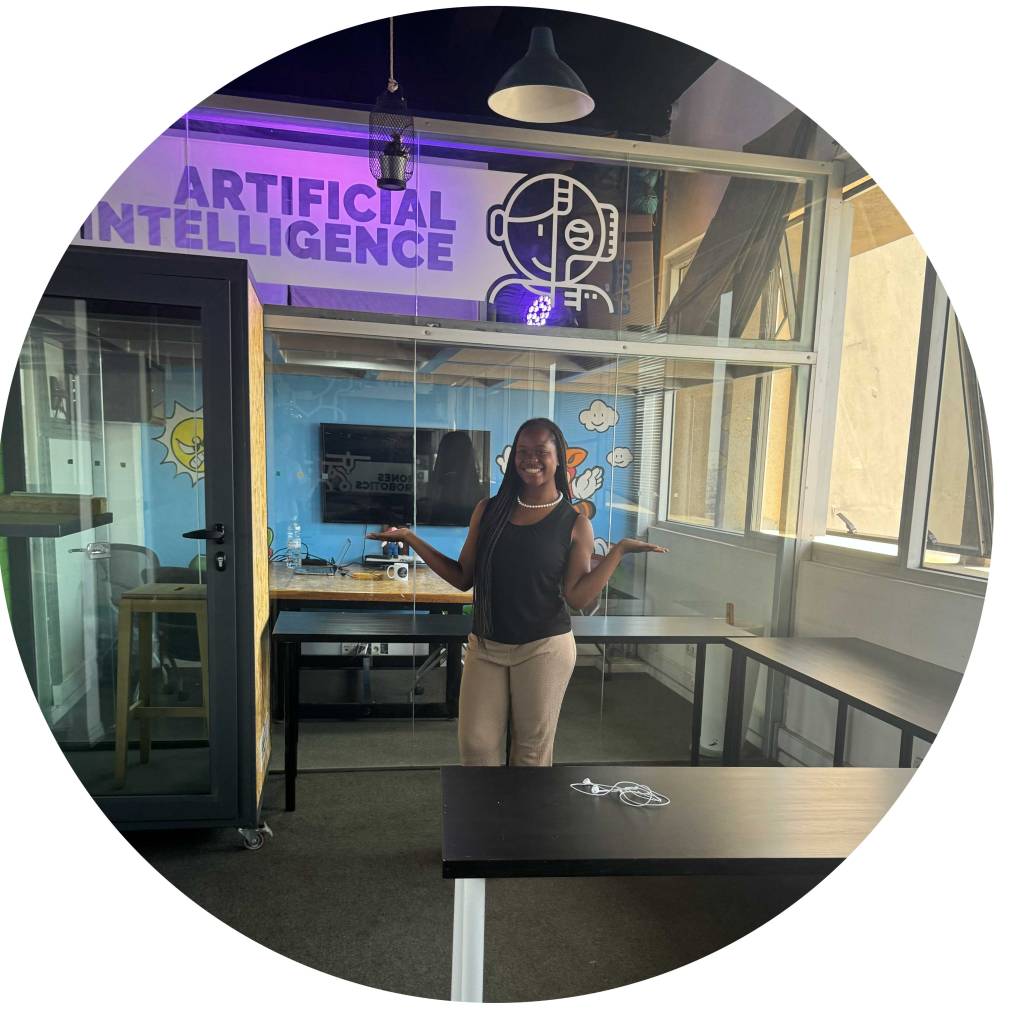
Carissma McGee, a graduate student at MIT AeroAstro, is currently experiencing Morocco’s vibrant and diverse culture in the coastal city of Casablanca through the MISTI MIT-Arab World program. She is interning this summer at AIShore, using data, analytics, and AI to leverage multi-cloud data solutions, and optimize IT operations with AI services for innovation, efficiency, and strategic decision-making.
 MISTI Blogs