
Video transcription:
Going abroad means quite a few things to me. I really love being able to go abroad whenever I get the chance. I love being able to immerse myself in different cultures and to learn as many languages as I can. And I also just love being able to meet people from different walks of life and be able to try and share common sentiments. As a kid, I’ve been fortunate enough to be able to travel to a couple places inside the US and outside. And it’s always left me with kind of a very innate interest in problem-solving actually. Especially during my younger age, so I guess for context my mother and father are both immigrants. My mother’s from Zimbabwe and my father’s from Sierra Leone. In that household, we had a bunch of different languages being flown around consistently especially when family would come over. So my mother since she’s from Zimbabwe, they speak a language called Shona. My father speaks English, Creole, and he went to University in France, and so he speaks French.
So I’ve been able to pick up on a lot from these two multiple different languages and then whenever I have family come over there’s a bunch of different sayings, a bunch of different phrases. I’ve really been able to learn a lot and be able to connect with a lot of my family just being able to learn from their experiences and being able to try and include myself as much as possible. But earlier as a kid I really had a lot of struggles I guess with my identity. For example, my middle name is Farai in Shona that means be happy. I think that’s a very positive thing now but when I was younger I really kind of was embarrassed by it a little bit and kind of hid it from others. So I grew up in Atlanta, and there really weren’t a lot of people that were exactly like me or had the same kind of background as I did. And so I was always a little bit kind of hesitant to be able to show it’s my true colors and who I truly was. And so I kind of hid my middle name from people I feel like when I did tell people they sometimes would laugh or they sometimes would kind of make fun of it or they would ask a lot of questions that would leave me a little bit embarrassed. But as I grew older, I really started to really feel my identity and really take embrace it and really kind of push it out and really make it known.
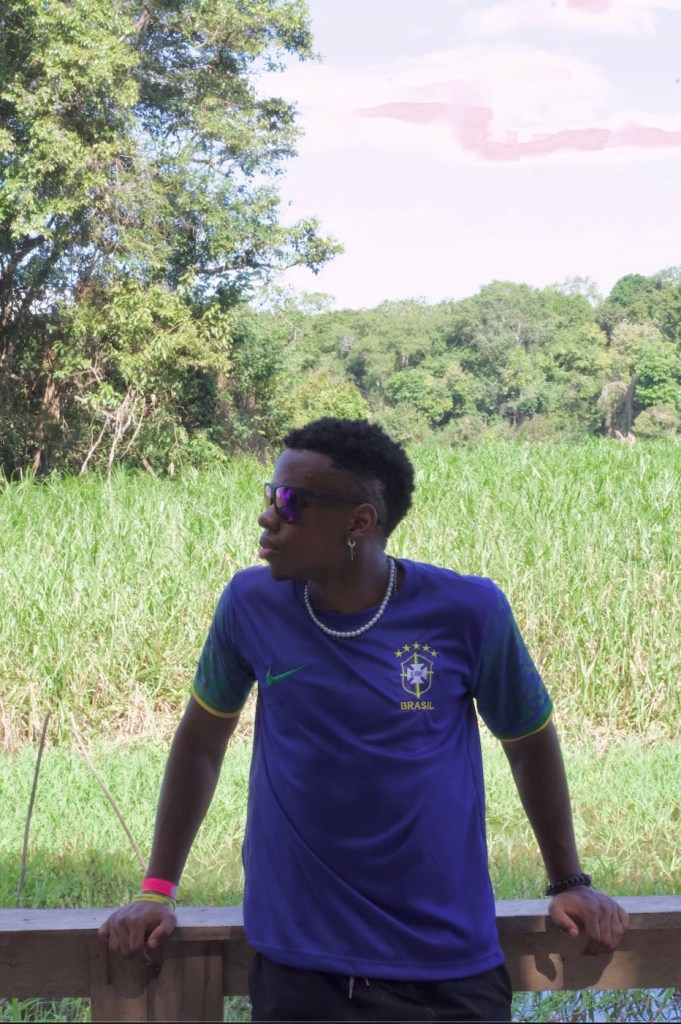
Nowadays, I love to be called by my middle name I include it in all the documents that I write. I include it in applications and so on and so forth. And so that’s something that I really like to hold dearly to myself and I really credit a lot of these different values and a lot of these different things to my parents. That upbringing with my immigrant parents that was really the crucible that shaped a lot of my character to this day. It instilled in me really the responsibility and the drive to make positive impact. Being able to go to Zimbabwe and see those communities and see the struggles that they have to deal with day in and day out, that also really shaped the things that I wanted to do moving forward in my life. It shaped me wanting to work on sustainable problems. It shaped me trying to work on being able to find people clean water and that’s part of the research that I do today in my UROP in the lab. And even my travels outside of Zimbabwe alone my travels to Brazil during IAP, the Independent Activities Period, really showed me a lot about how the knowledge that I’ve gained throughout my four years here at MIT can really be put to use and help a lot of people. And so I hope that these crucial skills that I’ve learned can come in handy as I traverse the global environment and be able to go to different countries and different areas. And I think that with now being true to my identity and being able to hold that dearly to my heart, I can now be able to really, really immerse myself into different cultures and kind of share what I learn and also take in what they have for me.
 MISTI Blogs